
lifestyle

5 Daily Habits for Brain Health After 50

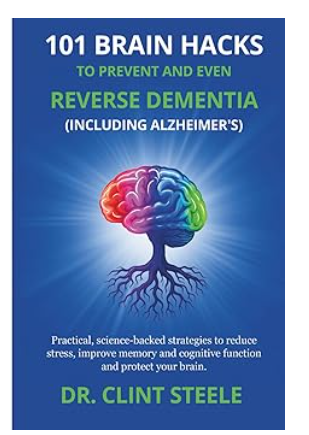
Simple, powerful daily habits to support memory, focus, and mental clarity after 50 — inspired by brain health expert Dr. Clint Steele.

Patricia Henderson

Patricia Henderson

Apr 6, 20267 min read
5 Daily Habits for Brain Health After 50

As we get older, it's natural to start thinking more about our brain health. Maybe you've walked into a room and forgotten why. Struggled to recall a name. Or noticed your focus isn't quite what it used to be. If that sounds familiar — you're not alone. The truth is, changes in memory and focus can begin as early as your 40s and 50s. But here's the encouraging part: there are simple, daily habits that can help support your brain and keep you sharp for years to come.

Inspired by brain health expert Dr. Clint Steele, these habits are not complicated or overwhelming. In fact, they're small lifestyle shifts that can make a big difference when practiced consistently. Let's walk through the 5 daily habits that support brain health after 50.

@drclintsteele

I am A Brain Doctor. These Are 3 Things I Do Every Day To Prevent Dementia!

Watch on TikTok

Why Brain Health Matters More After 50

  • Memory and focus changes can begin as early as your 40s — but they are not inevitable
  • Small daily habits practiced consistently produce measurable improvements in cognitive function
  • The brain retains significant neuroplasticity throughout life — the right inputs produce real results
  • Lifestyle factors account for up to 40% of dementia risk — meaning much of it is within your control

Habit 1: Move Your Body Every Day

Woman over 50 walking briskly in a sunny park — daily movement is one of the most powerful habits for brain health

One of the most powerful things you can do for your brain is move. Physical activity doesn't just benefit your heart and muscles — it directly impacts your brain. When you move your body, blood flow to the brain increases, oxygen delivery improves, and brain cells are better nourished. This helps support memory, learning, and overall cognitive function. You don't need intense workouts either.

  • Walking for 20–30 minutes at a brisk pace
  • Light strength training at home with resistance bands or dumbbells
  • Yoga or gentle stretching sessions
  • Dancing — yes, it absolutely counts, and it's one of the best dual-stimulation activities for the brain

Pro Tip: Dual-Tasking for Extra Brain Benefit

  • Combine movement with thinking — walk while listening to a podcast or audiobook
  • Count your steps or track intervals while walking to engage the prefrontal cortex
  • Learn a new dance routine — coordination challenges stimulate multiple brain regions simultaneously
  • Even 20 minutes of brisk walking raises BDNF (brain-derived neurotrophic factor) — the protein that supports memory and learning

Habit 2: Challenge Your Brain Daily

Woman over 50 reading and learning at a cozy desk — challenging your brain daily builds new neural connections

Your brain is like a muscle — the more you use it, the stronger it stays. Doing the same routines every day can actually cause your brain to become less stimulated over time. That's why it's important to introduce new challenges regularly. The goal isn't perfection — it's stimulation. Every time you learn something new, your brain creates new neural connections, strengthening the network that supports memory and cognitive resilience.

  • Reading books — especially genres or topics outside your usual comfort zone
  • Crossword puzzles, Sudoku, or word games that require active problem-solving
  • Learning a new skill — cooking a new cuisine, picking up a hobby, or starting a craft
  • Trying something unfamiliar — even small changes to your daily routine stimulate the brain
  • Learning a new language, even at a beginner level, is one of the most powerful brain challenges available

Habit 3: Reduce Stress — This Is Huge

Woman over 50 meditating peacefully in a garden — daily stress reduction is essential for long-term brain health

Chronic stress is one of the biggest threats to brain health. When stress levels stay elevated for long periods, memory can decline, focus becomes harder, and brain inflammation can increase. Many women over 50 carry significant stress from family responsibilities, health concerns, and major life transitions. That's why managing stress isn't optional — it's essential for protecting your cognitive health.

  • Deep breathing — even 5 minutes of slow diaphragmatic breathing activates the parasympathetic nervous system
  • Prayer or meditation — daily practice measurably reduces cortisol and anxiety within 4 weeks
  • Journaling — writing down thoughts and worries externalizes them, reducing their mental load
  • Spending time in nature — even a 20-minute walk in a park lowers cortisol significantly
  • Listening to calming music — shown to reduce heart rate and stress hormones within minutes

Important: You Don't Need to Eliminate Stress

  • The goal is not zero stress — it's creating daily moments of calm that allow your nervous system to reset
  • Even 5–10 minutes of intentional relaxation per day produces measurable reductions in chronic stress markers
  • Consistency matters more than duration — a short daily practice outperforms an occasional long one

Habit 4: Prioritize Sleep — Your Brain Depends On It

Peaceful bedroom with soft morning light — quality sleep is when your brain clears toxins and consolidates memories

Sleep is one of the most overlooked factors in brain health. While you sleep, your brain clears out metabolic waste products, processes and consolidates memories, and repairs itself at the cellular level. Without quality sleep, your brain simply cannot function at its best — and the effects accumulate over time.

  • Brain fog and difficulty thinking clearly
  • Increased forgetfulness and trouble retaining new information
  • Low energy and reduced motivation
  • Difficulty concentrating on tasks that used to feel easy

Sleep Support Tips for Women Over 50

  • Stick to a consistent bedtime and wake time — even on weekends
  • Avoid screens for at least 30–60 minutes before bed (blue light suppresses melatonin)
  • Keep your bedroom cool (65–68°F) and as dark as possible
  • Limit caffeine after 2pm — it has a half-life of 5–6 hours
  • Consider 300–400mg magnesium glycinate before bed — the most evidence-backed natural sleep supplement
  • Even improving your sleep slightly can lead to noticeable improvements in memory and focus within days

Habit 5: Keep Learning New Things

Woman over 50 taking an online class on her laptop — lifelong learning keeps the brain active and builds new neural pathways

One of the best ways to stay mentally sharp is to never stop learning. This doesn't mean going back to school — it simply means staying curious. Learning stimulates multiple parts of the brain at once, helping keep it active, engaged, and building new connections. Growth keeps the brain young.

  • Watch educational videos or documentaries on topics that genuinely interest you
  • Try a new recipe — cooking engages memory, planning, and fine motor skills simultaneously
  • Learn a new fitness routine — physical skill learning is especially powerful for brain health
  • Start a creative hobby — painting, knitting, woodworking, or photography all challenge the brain in unique ways
  • Take an online class — platforms like Coursera and YouTube offer free courses on virtually any topic

The Missing Piece Most Women Overlook

Here's something many people don't realize: even when you're doing all the right things — moving your body, eating well, staying mentally active — your brain may still need additional support as you age. That's because nutrient absorption changes over time, brain chemistry shifts with hormonal changes, and the cumulative effects of stress and lifestyle factors add up in ways that diet and exercise alone don't fully address.

This is why many women over 50 choose to support their routine with targeted brain health supplements. A well-formulated brain support formula can help fill the nutritional gaps that even a healthy lifestyle leaves behind — supporting memory, focus, and mental clarity from the inside out.

What to Look for in a Brain Health Formula

  • Ingredients with clinical research behind them — not just marketing claims
  • Support for memory consolidation and recall
  • Ingredients that promote mental clarity and reduce brain fog
  • Formulated specifically for the nutritional needs of adults over 50
  • Designed to complement — not replace — healthy daily habits

Putting It All Together

Taking care of your brain doesn't require a complete life overhaul. It's about small, intentional habits practiced daily — habits that work together and build on each other over time. The women who see the greatest improvements in memory, focus, and mental clarity aren't doing anything extreme. They're doing these five things consistently.

Quick Summary Checklist

  • Move your body every day — even a 20-minute walk makes a measurable difference
  • Challenge your brain with something new — learning creates new neural connections
  • Create daily moments of calm — stress management protects your brain long-term
  • Prioritize quality sleep — your brain repairs and consolidates memories while you sleep
  • Never stop learning — curiosity and growth keep the brain young and resilient
  • Consider targeted brain health supplementation to fill nutritional gaps
  • Be consistent — small habits practiced daily produce far greater results than occasional big efforts

And the best part? It's never too late to start. Every single one of these habits can be introduced today — no special equipment, no major life changes, no perfect conditions required. Your brain is remarkably responsive to the right inputs at any age. The women who feel sharpest and most mentally alive in their 60s, 70s, and beyond are not the ones who waited for the right moment. They're the ones who started with one small habit and built from there.

Save This for Later

  • Bookmark this article and come back to it daily as a reminder of your 5 habits
  • Share it with a friend who could use a brain health boost
  • Pick just ONE habit to start with today — consistency beats perfection every time
  • Your future self — and your brain — will thank you
Affiliate Disclosure: As an Amazon Associate, SuperAbs50 earns from qualifying purchases. Product links on this page may earn us a small commission at no additional cost to you. We only recommend products we genuinely believe in.

Join Our Wellness Community

Get weekly health tips, exclusive product reviews, and inspiring success stories delivered straight to your inbox

We respect your privacy. Unsubscribe anytime.