nutrition
The Truth About Collagen Supplements After Menopause
Evidence-based review of collagen supplements and their real benefits for skin, joints, and overall health during and after menopause.
Collagen is the most abundant protein in your body — found in skin, joints, bones, and connective tissue. After menopause, estrogen decline dramatically accelerates collagen loss: women lose up to 30% of their skin collagen in the first 5 years after menopause.
Video via YouTube
Watch on YouTubeWhat the Research Shows
- A 2019 Nutrients study found 10g/day of collagen peptides significantly improved skin elasticity
- Multiple studies confirm collagen reduces joint pain in active adults
- Collagen peptides stimulate fibroblasts to produce more natural collagen
- Vitamin C is essential as cofactor — always pair with vitamin C
Types of Collagen: What You Need to Know
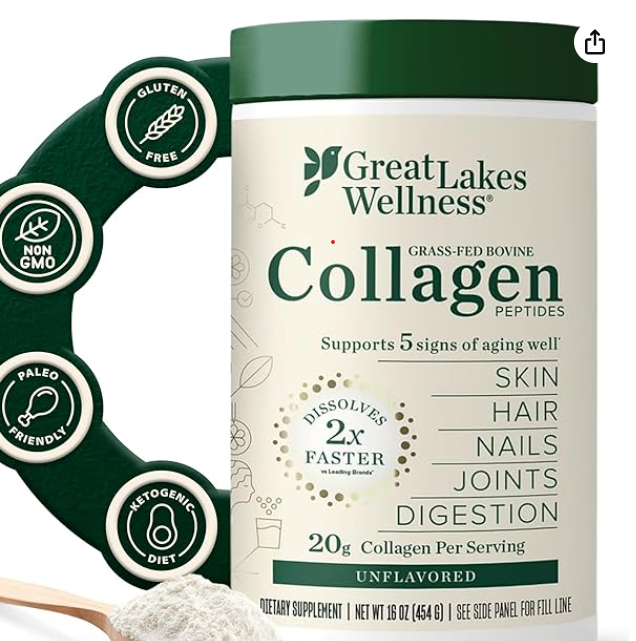
- Type I & III (Bovine): Best for skin, hair, nails, tendons, and gut
- Type I (Marine): Highest bioavailability — absorbed faster than bovine, excellent for skin
- Type II (Chicken): Specifically for cartilage and joint health
- Hydrolyzed Peptides: Pre-digested form absorbed most efficiently
Dosage and Timing
How to Take Collagen
- Dose: 10–20g daily of hydrolyzed collagen peptides
- Timing: Morning on empty stomach or post-workout
- Always pair with 500–1000mg Vitamin C to maximize synthesis
- Consistency: Benefits appear after 8–12 weeks of daily use
- Mix into coffee, smoothies, or water — no taste or texture
Quick Summary Checklist
- Choose hydrolyzed collagen peptides — not gelatin
- Take 10–20g daily without skipping
- Pair with at least 500mg vitamin C
- Give it 8–12 weeks before judging results
Affiliate Disclosure: As an Amazon Associate, SuperAbs50 earns from qualifying purchases. Product links on this page may earn us a small commission at no additional cost to you. We only recommend products we genuinely believe in.